
When the pool is closed and the cover is secure, it’s easy to assume everything’s safe for the winter. But while your water might be still, winter weather is still hard at work — and not always in your favor.
From subtle wear and tear to full-on freeze damage, your pool equipment can take a beating during cold months, even if the pool isn’t in use. Let’s take a closer look at how cold temperatures affect common components and what you can do to minimize costly damage.
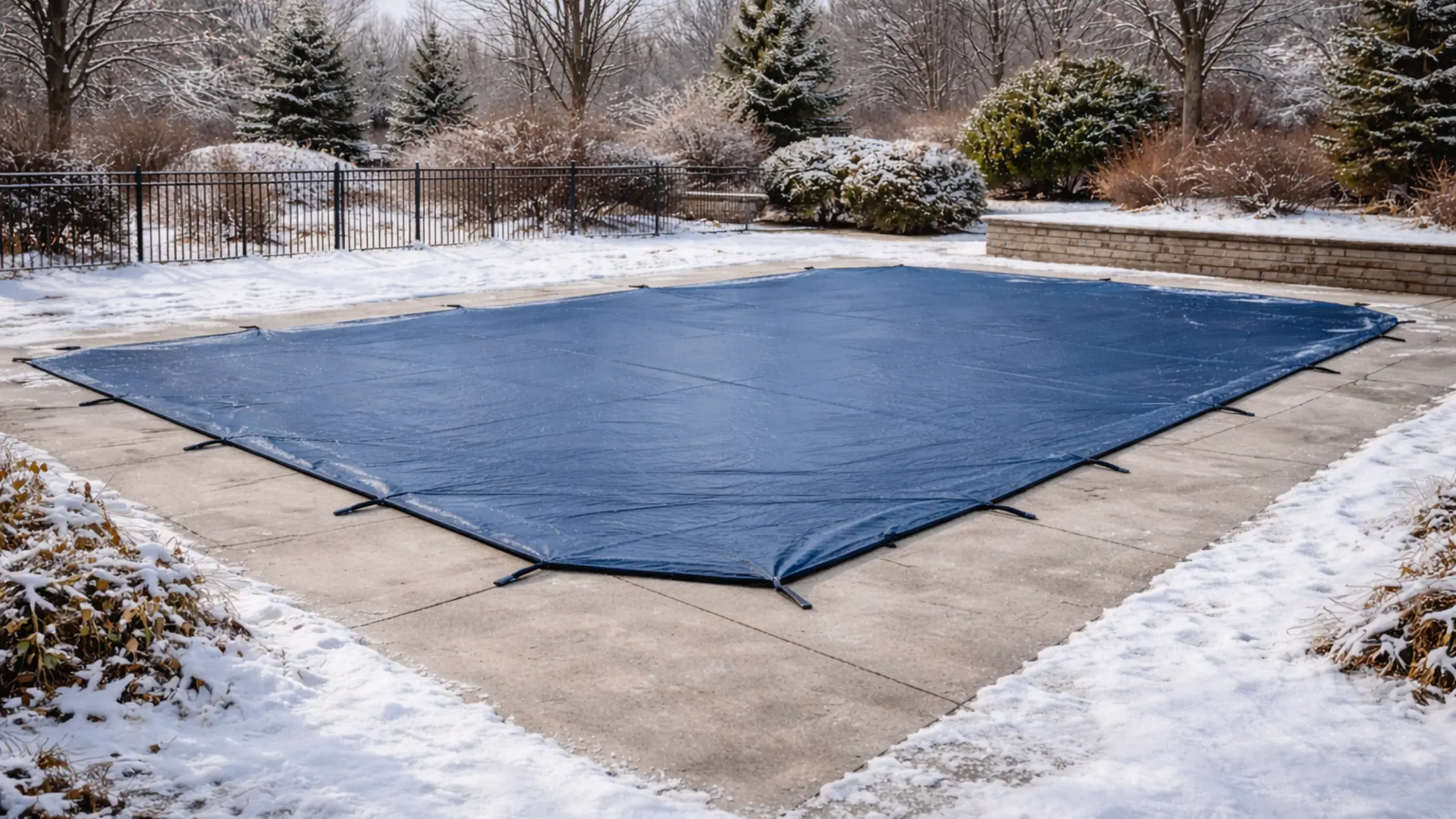
1. Pool Pumps: Vulnerable When Idle
When temperatures dip below freezing, any water left inside your pump housing or plumbing lines can expand and cause cracking. Even small amounts of trapped water can lead to internal damage or leaks by spring.
What to Watch For:
- Loud or irregular sounds when restarted in spring
- Leaking at the pump lid or connections
- Cracks in the housing or unions
Prevention Tips:
- Ensure your pump was properly winterized (drained and blown out if necessary).
- Use an insulated cover or wrap if temperatures regularly drop below freezing.
- Don’t skip a preseason inspection. Early detection saves money!
2. Filters: Out of Sight, But Not Off the Hook
Sand, cartridge, and DE filters can all suffer from winter stress. Water left inside filter housings can expand and crack the plastic, while rubber o-rings can dry out and become brittle in the cold.
What to Watch For:
- Pressure issues or reduced flow when reopening
- Persistent leaks around the filter tank or clamp
- Broken drain plugs or missing o-rings
Prevention Tips:
- Drain filters completely before freezing temperatures hit.
- Store cartridges in a dry, moderate environment if possible.
- Clean filters before closing to avoid trapped contaminants hardening over winter. Using a maintenance dose of ENZymePRO® each week throughout the Summer will reduce the amount of oils and lotions that can build up in filter elements.
3. Pool Heaters: Rust, Cracks, and Critters
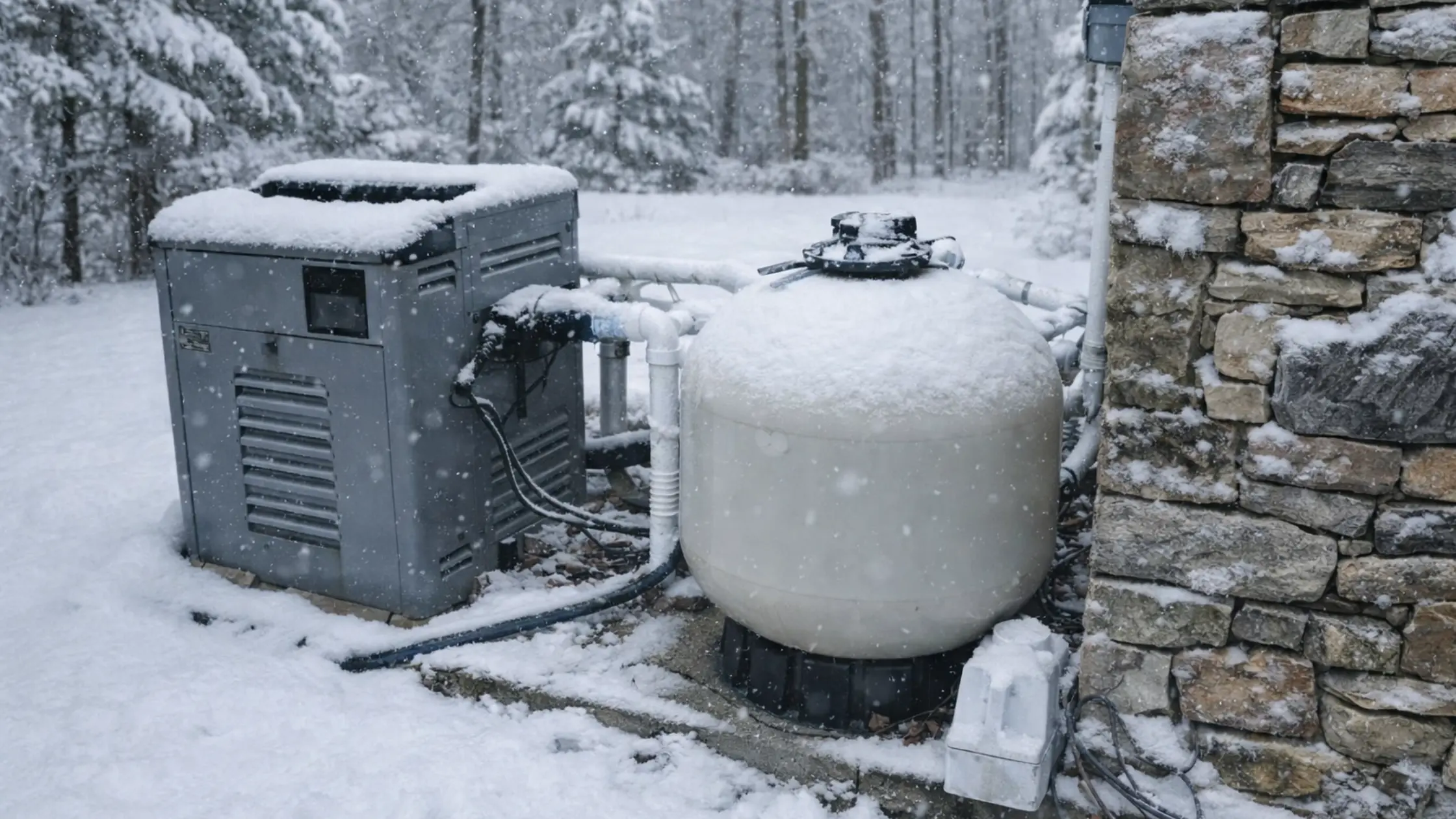
Gas or electric pool heaters are a big investment, and cold weather combined with inactivity makes them a prime target for issues. Moisture buildup, freeze damage to heat exchangers, and even animals nesting inside can all lead to springtime surprises.
What to Watch For:
- Difficulty igniting or turning on
- Error codes or tripped breakers
- Strange smells or visible corrosion
Prevention Tips:
- Disconnect and drain water lines fully before winter.
- Properly winterize all heaters according to the specific manufacturer's instructions.
- Cover the heater (use a manufacturer-approved option that allows airflow)
- Clear surrounding debris and inspect for signs of animals in early spring
4. Plumbing Lines and Valves: The Freeze Factor
Perhaps the most common source of winter damage: underground pipes and above-ground valves that weren’t fully blown out or protected. Water expands when it freezes, and it doesn’t take much to cause a rupture.
What to Watch For:
- Leaks when lines are re-pressurized
- Bubbling or water loss after opening
- Strange sounds in the return lines
Prevention Tips:
- Winterize lines properly: drain, blow out, and plug as needed.
- Use pool antifreeze (not car antifreeze) for extra protection in colder regions.
- Visually inspect valves and joints during the off-season if accessible.
5. Pool Covers and Anchors: Indirect Equipment Risk
Winter damage to your pool cover can lead to debris entering the water or excessive pressure on pool walls and fixtures. Torn covers, broken anchors, or sagging supports can create real issues for equipment down the line.
What to Watch For:
- Pools of water accumulating on the cover
- Cover flapping or pulled loose during storms
- Anchors coming loose from decking
Prevention Tips:
- Use a cover pump to remove excess water after storms (but be certain to do this only when the pool water is completely thawed and there is no risk of ice or frozen water.)
- Clear debris and snow gently (never use sharp tools).
- Tighten anchors or repair straps if needed.
Bonus Tip: Why It’s Worth Monitoring Water Chemistry, Too
Even with your equipment shut down, unbalanced water can corrode metal components like ladders, heaters, and light fixtures. High calcium levels can lead to scale, while low pH can eat away at seals and parts.
If you're in a warmer winter climate or using a mesh cover, checking your water chemistry monthly with a reliable test kit is one of the best ways to avoid equipment issues come spring.
Consider adding a maintenance dose of a multi-functional product like E-Z POOL® or Revive!® if your climate or pool type allows.
Final Thoughts on Winter Weather and Equipment
Winter may be a break from swimming, but it shouldn’t be a break from awareness. Cold weather can quietly damage even the best-built pool systems, and by the time you notice, it’s often too late.
With a few preventative steps and a little seasonal awareness, you can help protect your equipment, reduce surprise repair costs, and make sure you're ready for a smooth, stress-free opening when pool season returns.
